Field Notes from Carbon Five
A blog to help you navigate the world of product management, engineering, and design.


#C5Mentors: Emily Mi Cai on Leveling the Playing Field in College Admissions
Carbon Five Product Manager Emily Mi Cai has spent the past three years working with Minds Matter to help a high school student in her community navigate the college admissions process. In our fourth post in a series celebrating 21 years of mentorship in honor of Carbon Five’s 21st anniversary, Emily discusses why she’s passionate …

#C5Mentors: Gintel Gee on Diversifying the Design Field
As a teenager growing up in South Central Los Angeles, Carbon Five Senior Product Designer Gintel Gee taught herself the basics of design by creating graphics on her computer and connecting with a community of peers on online message boards. Looking back, Gintel wishes she had had a mentor to answer her questions and direct …

#C5Mentors: Courtney Hemphill on Empowering Women in Tech
In addition to her roles as a partner and VP of product management at Carbon Five, Courtney Hemphill was also the company’s first female employee. In our first post in a series celebrating 21 years of mentorship in honor of Carbon Five’s 21st anniversary, Courtney discusses her passion for empowering women in tech by volunteering …


Three Team Exercises to Start Your Next Project Right
At Carbon Five, we are always kicking off new projects with different teams, and we have a set of activities that we’ve found to be pretty critical in helping ensure our teams are aligned from the beginning. Here are three activities we’ve found to be particularly meaningful (and check out their templates here). Visions, Challenges, …


Carbon Five Roll Call: Louise Laub, Senior Product Designer
Carbon Five Roll Call is a blog series introducing you to the team of product managers, designers, and software engineers at Carbon Five. Learn more about us and how we can help support your next project. Now introducing, Louise! Name: Louise Laub Title: Senior Product Designer Hometown: Palo Alto, CA Carbon Five Office: San Francisco, …


How to Use Actionable Emojis in Your Pull Request Reviews
Carbon Five has embraced emoji in daily written communication. They carry a lot of meaning in a small package, they inject personality and culture into our writing, and they visually stand out on the page as you scan a document. Pull requests are no exception. Love them or hate them, emojis ensure our pull request …
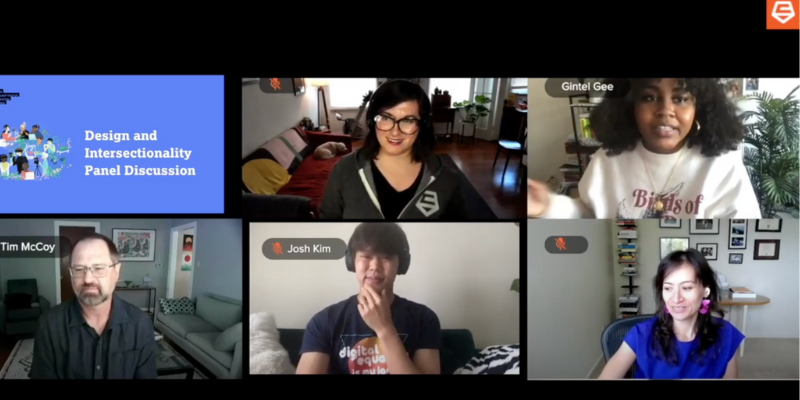
Experts Offer Insights on How to Build Accessible Products During Carbon Five Panel Discussion on Intersectionality
Four product development experts gathered in June to discuss how teams can create accessible products that are inclusive for users whose backgrounds may be very different from their own. The panel discussion, titled “Design and Intersectionality,” was part of San Francisco Design Week and was sponsored by Carbon Five. Panelists included designers and a product …
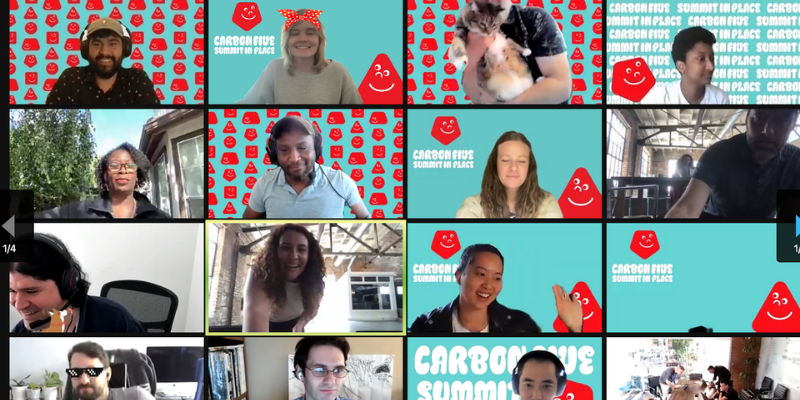
Carbon Five Virtual ‘Summit In Place’ Conference Emphasizes Allyship, Career Development, and Camaraderie
From May 25 to 27, Carbon Five team members gathered virtually for the first ever remote Summit, the company’s annual internal conference. Named “Summit In Place,” the three-day event saw employees log in from New York, California, Tennessee, Washington, and other locations around the U.S. to participate in workshops focused on diversity, inclusion, equity, and …


Building for Intersectionality in Tech: Intersectionality and Product Management
By Nicole Thayer & Tiffany Wong Note: This is the fourth post in this blog series on intersectionality in tech. Check out the first, second, and third posts. Welcome back to our ongoing series about how employees at Carbon Five approach intersectionality in tech. For more information on why we’re doing this and what we’re hoping …
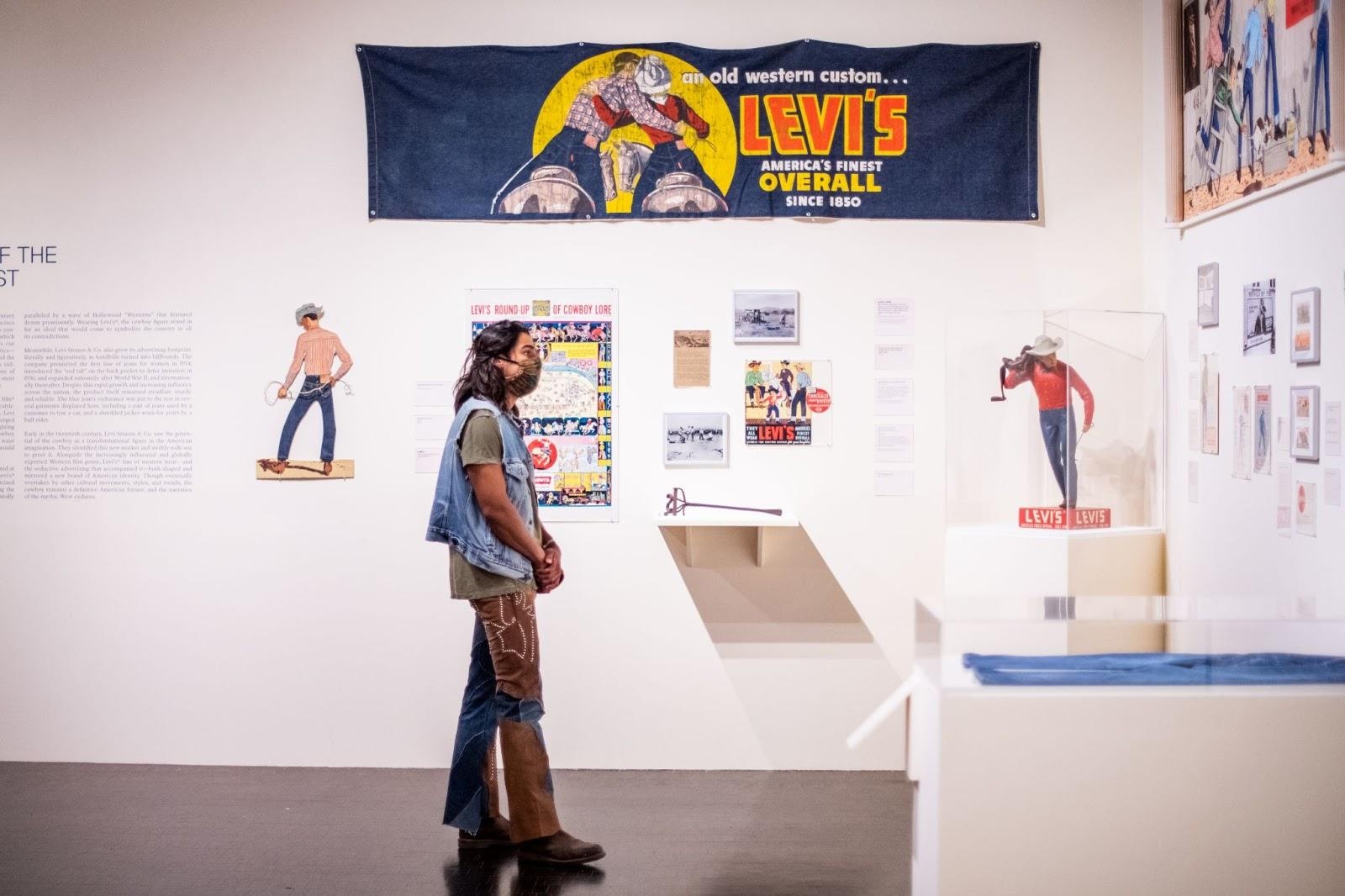
Celebrating Jewish American Heritage Month with the Contemporary Jewish Museum
In honor of Jewish American Heritage Month, Carbon Five has been amplifying and celebrating voices from the Jewish community throughout May. We caught up with our friends at the Contemporary Jewish Museum (CJM) — a past Carbon Five client — to learn more about how Jewish Americans have influenced Bay Area culture, how the pandemic …